A house announces its problems quietly before it announces them expensively. The toilet that runs a little, the window that sweats in winter, the dark line in the bathroom grout: each is a repair asking to be small. This section is about catching them at that size, diagnosing the cause before buying the cure, and knowing with confidence which jobs are yours and which belong to a licensed trade.
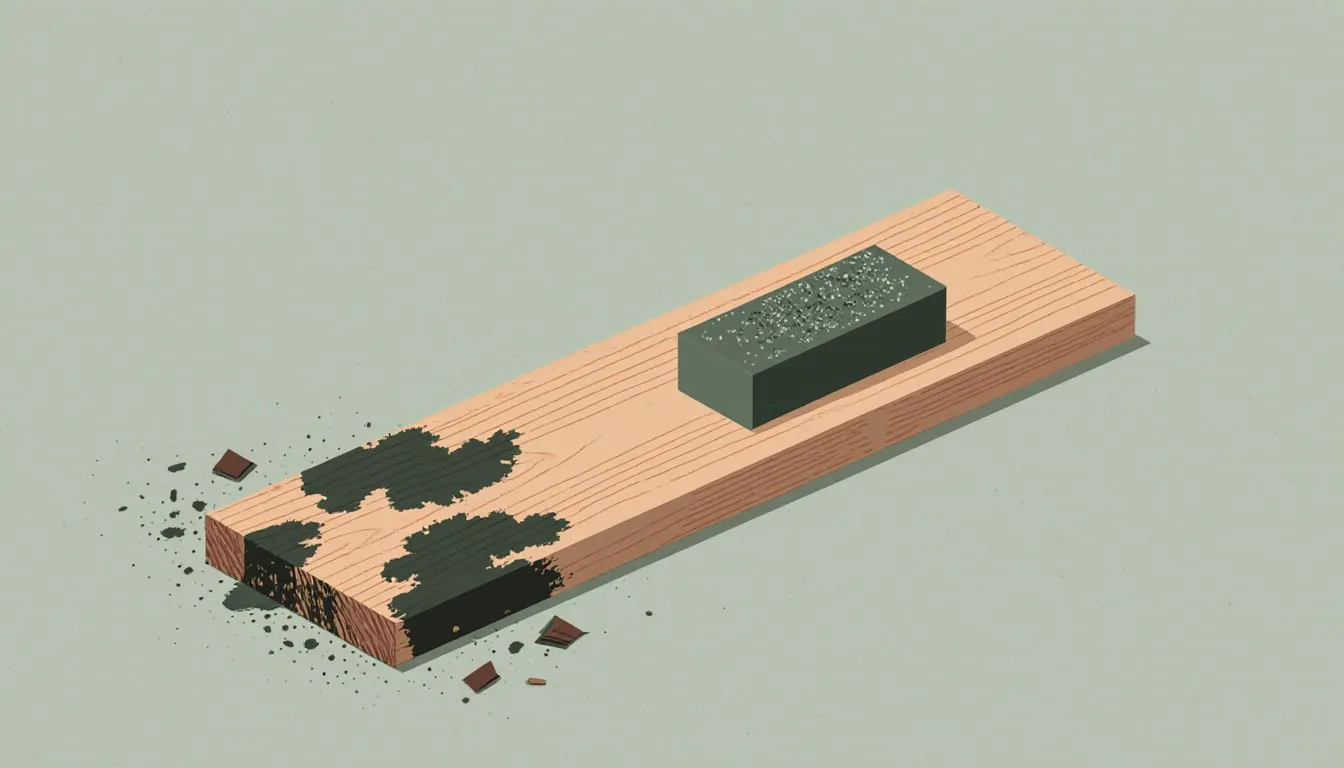
The territory covers what actually goes wrong in a lived-in home: plumbing from dripping faucets to clogged sewer lines and low water pressure, mold and mildew in their honest proportions, drywall, caulk, gutters, garage doors, squeaks and drafts, and the electrical work on the safe side of the outlet cover. Every remedy sequence runs cheapest first, the free adjustment before the ten dollar part before the real repair, because that order is right far more often than not.
The stopping points are stated plainly, once, without sirens. Gas lines, anything inside the service panel, structural cuts, roofs above a single story, and suspected asbestos or lead in older homes each get the same treatment: here is where you stop, and here is who you call. Older houses especially reward reading before cutting. Start with the symptom, not the system, and search will meet you there.